All Categories
Featured
Table of Contents
Once the keyword universe is clear, designate target terms to page types. This keeps your own pages from taking on each other and helps your team choose where to invest initially. Category pages generally carry the biggest business chance. They need to target product-type, brand name, use-case, product, audience, and modifier searches.
Can Predictive Analytics Improve Your ROI?Product pages need to target the specific product, SKU, design, version, part number, and bottom-funnel modifiers. These pages require distinct descriptions, specs, images, video, evaluations, schedule, shipping, return details, and associated products. If the page repeats the manufacturer's description, Google and shoppers have little reason to prefer it over every other reseller.
Buying guides, comparisons, how-to posts, fitment guides, care guides, size guides, and trend resources can rank for long-tail concerns and press authority toward the product and classification pages that earn money. Material marketing works best when the editorial calendar is connected to merchandising, stock, and search need. The useful guideline is easy: every crucial inquiry requires a home, and every crucial page requires a clear task.
Title tags, meta descriptions, headings, item copy, image alt text, and internal links should make the page simpler to comprehend and much easier to utilize. For category pages, enhance: Title tags and H1s around the primary category demand.
For item pages, optimize: Unique item descriptions that explain use, fit, advantages, specs, and differentiators. Item titles that include the design, brand, item type, and vital qualities.
Data-Driven User Lifecycle Marketing
Specs, dimensions, materials, compatibility, and alternative data. Reviews and Q&A that address genuine purchase objections. Related products, accessories, packages, and replacement choices. Product structured data that matches visible page material. This is where lots of SEO for eCommerce site programs stall. The group writes titles and meta descriptions, however leaves maker copy, missing specifications, weak internal links, duplicate variants, and thin category pages unblemished.
So can shoppers. The old version of this short article made a helpful point: long-tail material can support product and classification pages. That is still true. The difference in 2026 is that content has to be more securely connected to the brochure. Excellent eCommerce material responses pre-purchase questions. It assists shoppers compare choices, understand fit, avoid errors, and select with more self-confidence.
Can Predictive Analytics Improve Your ROI?Helpful content formats include: Buying guides. Item care guides. Setup or how-to material.
Effective Content Marketing for E-commerce Shops
Link to the relevant category, product, or collection page. It is how you move shoppers and authority towards revenue pages. Navigation is a conversion concern and an SEO issue.
If Google can not crawl the important paths easily, your strongest pages may not get found or comprehended. Start with the primary hierarchy: homepage, departments, categories, subcategories, item pages, and supporting content. Breadcrumbs should reinforce that hierarchy. HTML links need to connect the essential pages without relying only on JavaScript interactions. XML sitemaps need to stay present for canonical pages.
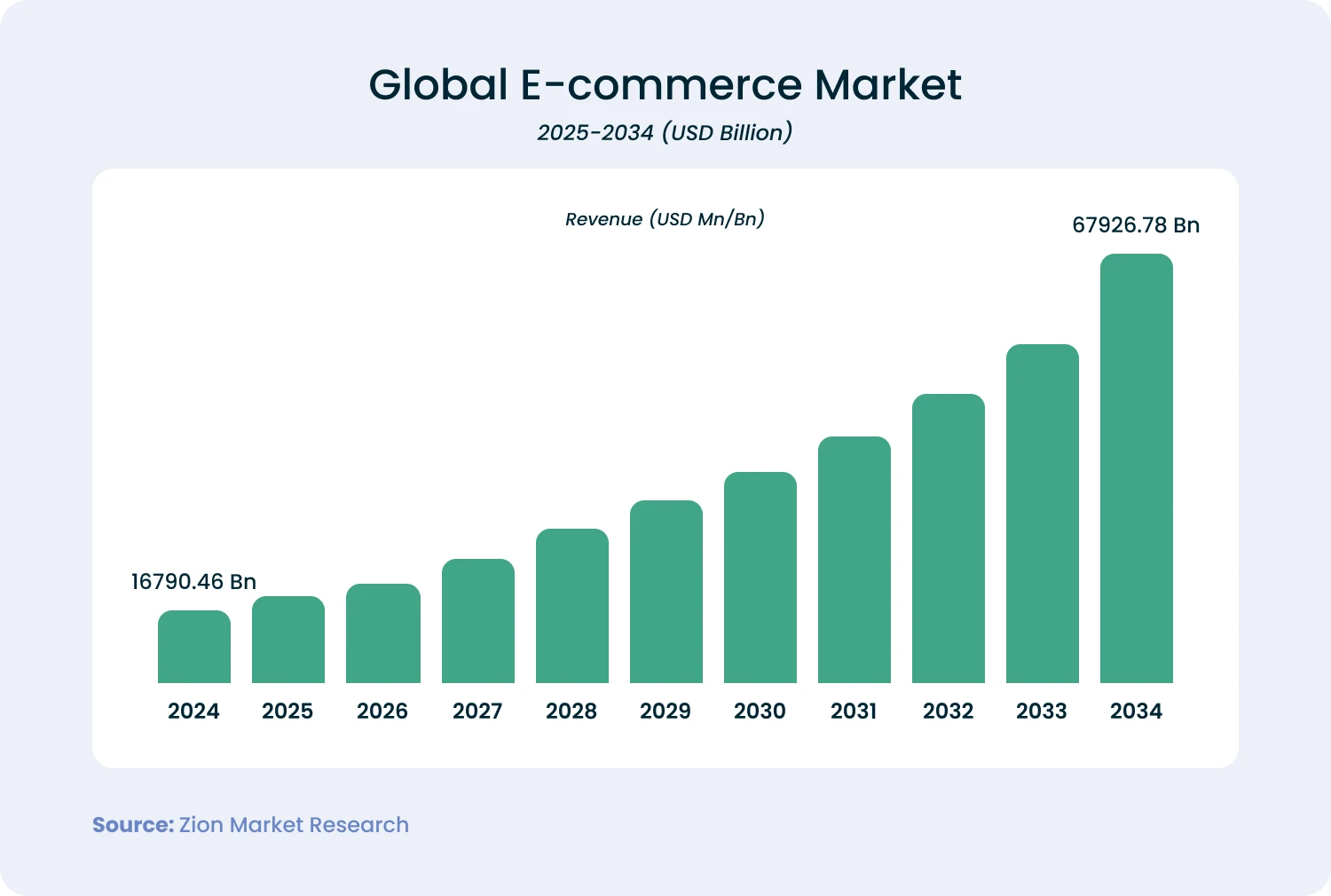
The pages that create profits needs to not be buried 5 clicks deep while low-value filters get thousands of crawlable URLs. Connect from navigation, classification copy, purchasing guides, associated products, blog site material, comparison pages, and footer or center pages where it assists the consumer. This is likewise where website search can assist.
Leveraging Digital Analytics to Drive Scaled ROI
If buyers keep looking for a size, compatibility term, brand, replacement part, or use case, that might point to a much better category, filter, content page, or product copy update. Structured information helps online search engine comprehend what is on the page. For eCommerce sites, Product structured information is specifically crucial since item results can reveal cost, availability, scores, shipping, returns, and other details.
For pages where consumers can buy products from you, merchant listing markup can support richer product information such as accessibility, shipping details, return policy, apparel sizing, and variations. Google likewise says integrating structured information with Merchant Center feed information can assist it comprehend and verify item info. That means item data has to be operationally accurate.

Latest Posts
Step-by-Step Search Analytics Tutorials for Growth
Step-By-Step Analytics Tutorials for Growth Managers
Transitioning to Modern Ad Algorithms